Destinations

Thirty destinations. Five completely different Sri Lankas.

The island’s geography is almost improbably varied for its size. A single itinerary can move from a 5th-century rock fortress to a leopard reserve, from cloud-wrapped tea highlands to a colonial fort city on the Indian Ocean – all within a few hours of each other. MP Lanka Travels has mapped the island into five distinct destination categories, each one a world worth exploring on its own terms.

Civilisations that measured time in centuries.

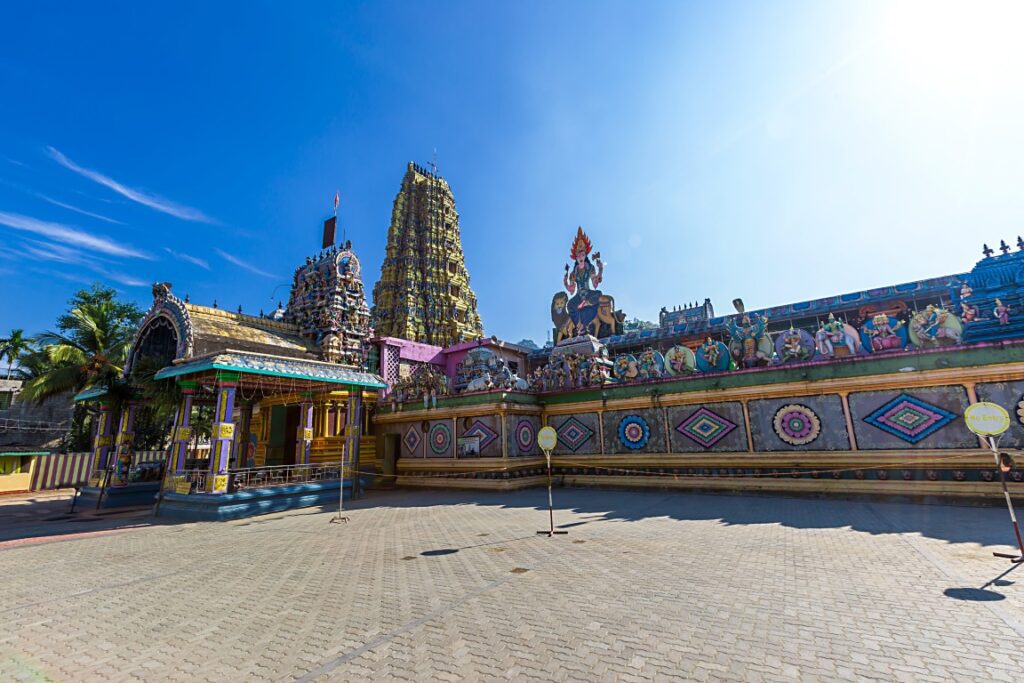
Sri Lanka’s ancient cities were sophisticated, thriving capitals when much of the world was still primarily rural. The sacred cities of the north and the great rock fortresses of the Cultural Triangle represent a heritage of extraordinary depth and ambition – and MP Lanka Travels approaches every heritage destination with specialist guides and the pacing that allows these places to be felt rather than simply seen.

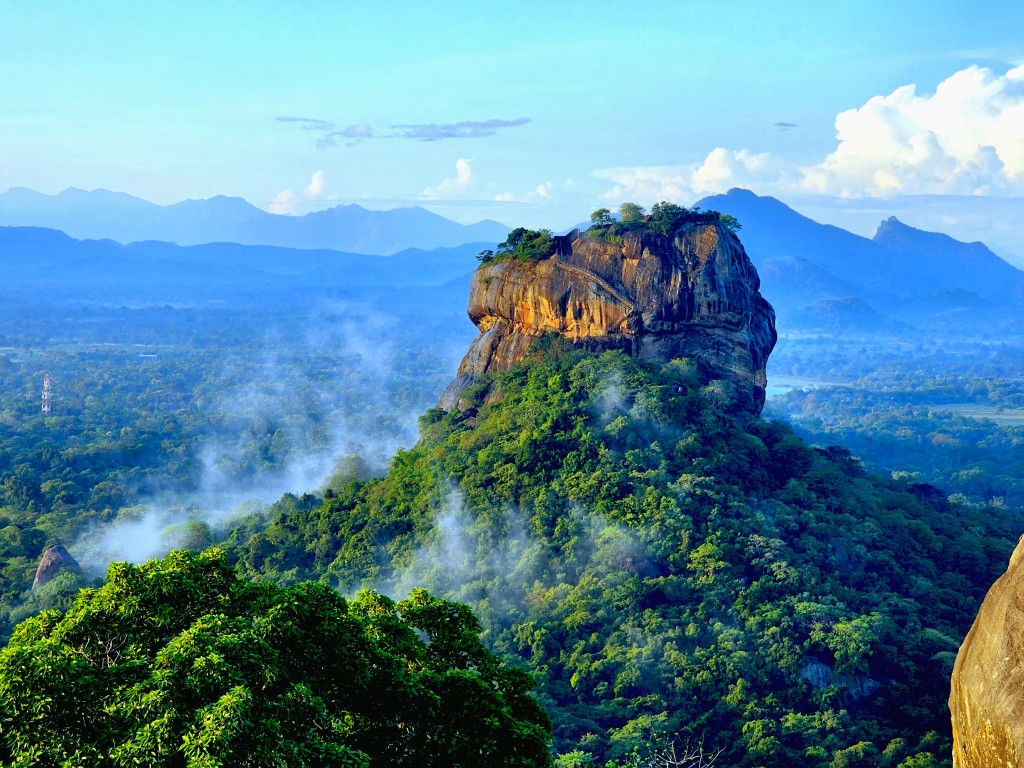
Sigiriya

A 5th-century royal palace on the sheer face of a 200-metre volcanic rock – ancient water gardens at the base, frescoes painted into the cliff face, and a summit view across the forest plain that nothing quite prepares you for. Go at dawn, before the heat and crowds arrive.

Anuradhapura

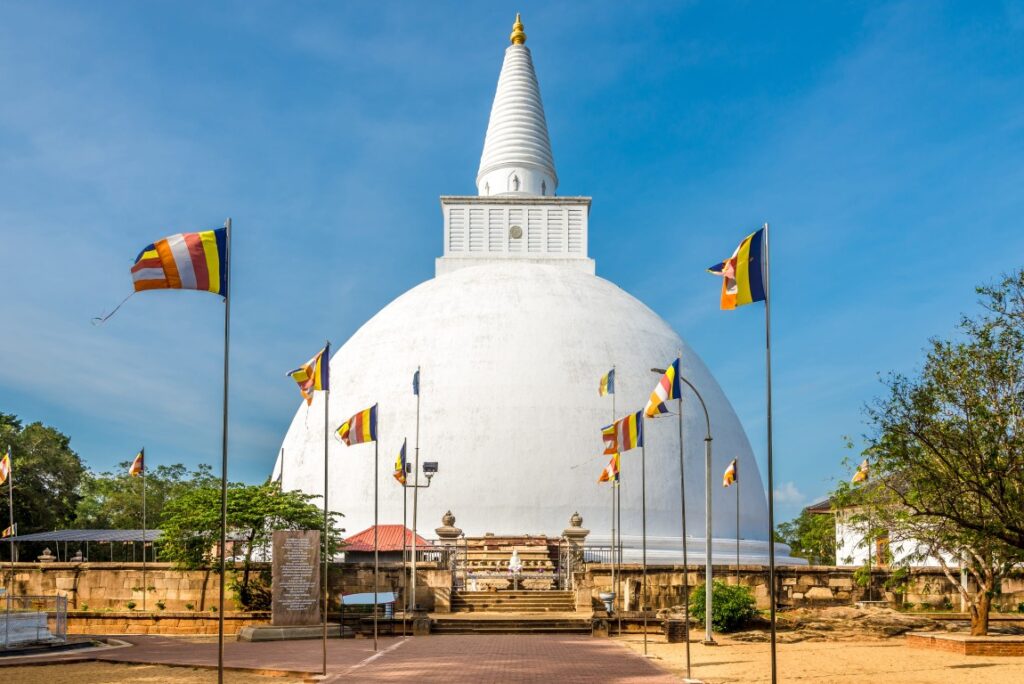
One of the ancient world’s greatest capitals, home to the Sri Maha Bodhi tree grown from a cutting of the original Bodhi tree in 288 BCE – the oldest documented human-planted tree on earth, still circled daily by pilgrims. Best by bicycle at dawn when the site belongs entirely to the birds and the devotees.

Polonnaruwa

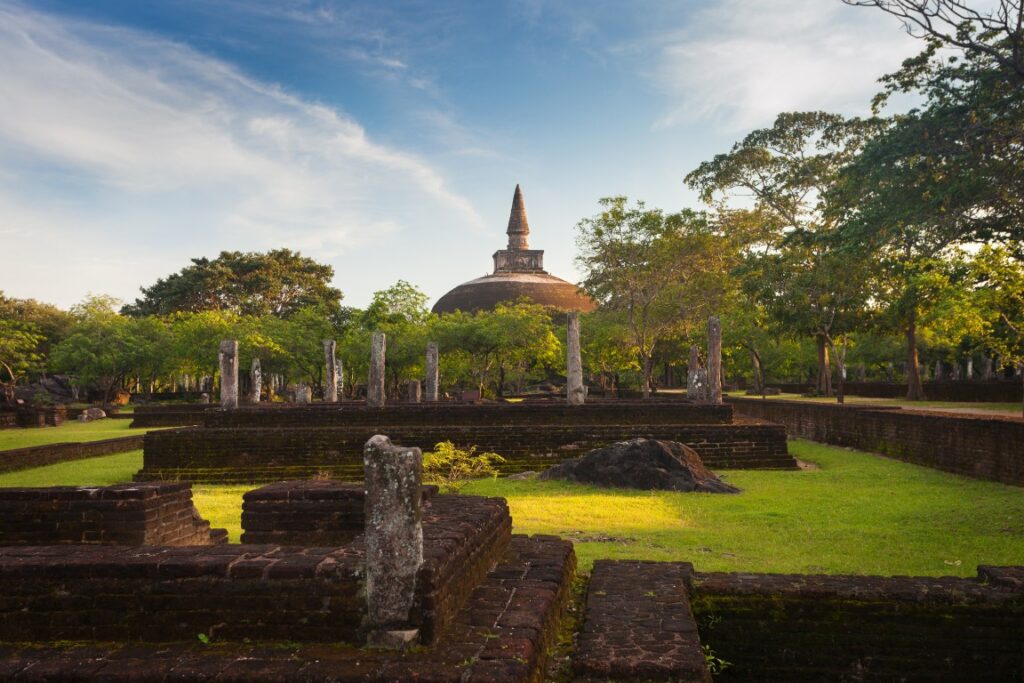
Sri Lanka’s medieval capital at its artistic peak – the Gal Vihara rock sculptures carved from a single granite face are the finest Buddhist artworks on the island, and the flat cycling paths between monuments make this one of the most enjoyable heritage sites to explore. The ancient reservoir that powered the entire civilisation is still holding water nearly a thousand years later.

Kandy

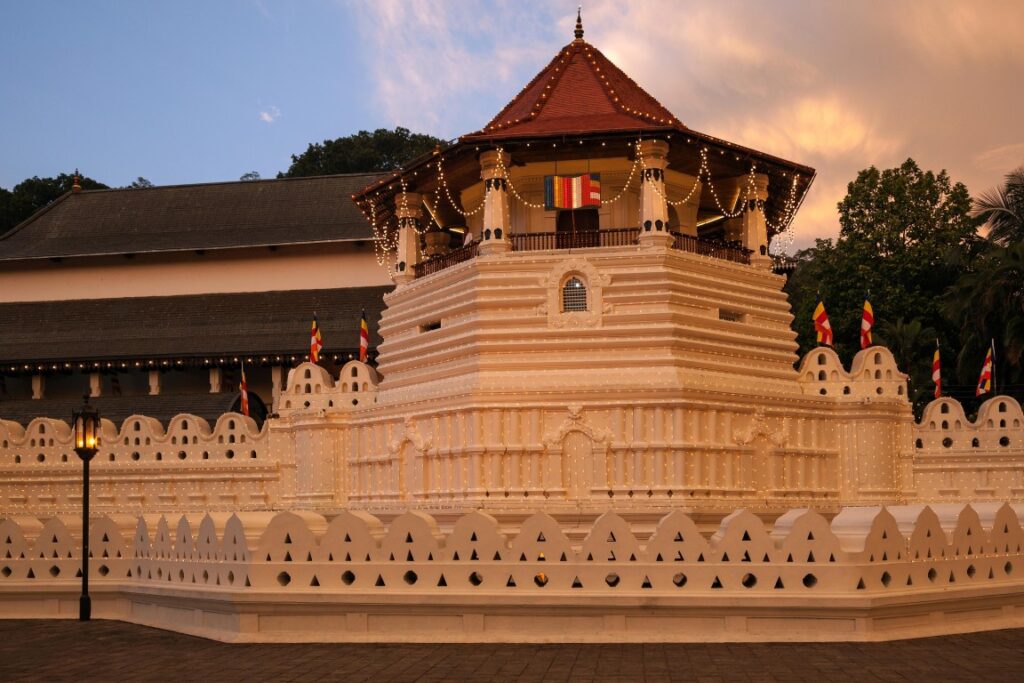
Sri Lanka’s cultural capital – a highland city built around a ceremonial lake and defined by the Temple of the Sacred Tooth Relic, whose three daily puja ceremonies have continued without interruption for centuries. The Esala Perahera festival in July and August, a ten-night candlelit procession of elephants and drummers, is one of Asia’s most extraordinary events.

Dambulla

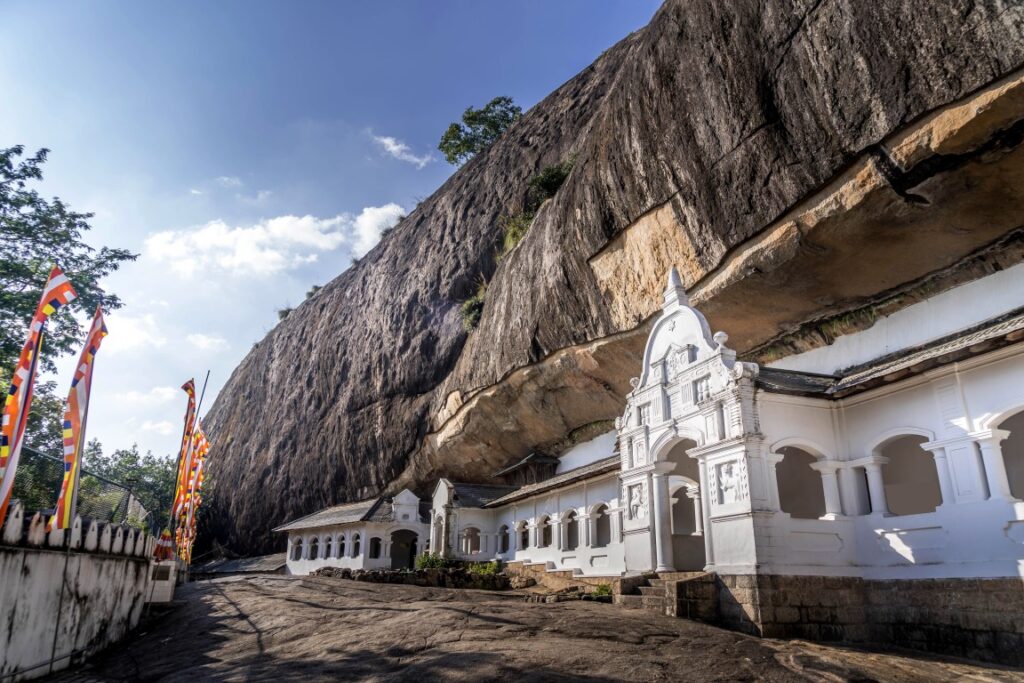
Five cave chambers carved into a granite massif hold 153 statues and 2,100 square metres of murals spanning 22 centuries of continuous Buddhist art – the oldest from the 1st century BCE, the most recent from the 18th. The ceiling murals alone justify the climb.

1,340 kilometres of coastline. Every stretch a different mood.

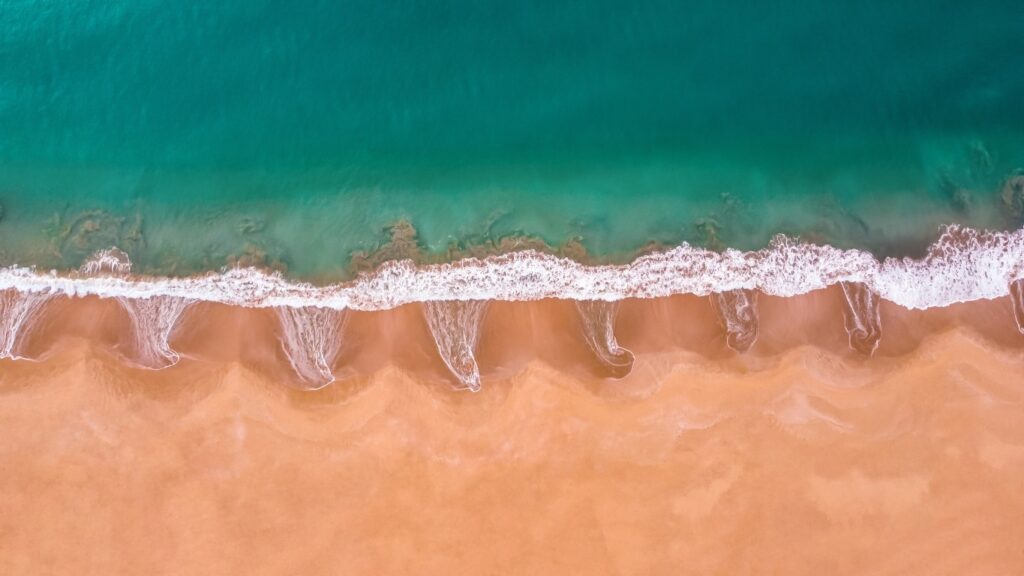
Sri Lanka’s coast is governed by two opposing monsoon systems, which means there is always a beach in perfect season regardless of when you visit. The southwest delivers golden warmth and colonial heritage; the east offers a quieter, clearer, largely undiscovered character. Every coastal destination on our list has been chosen because it offers something genuinely worth making the journey for.

Negombo

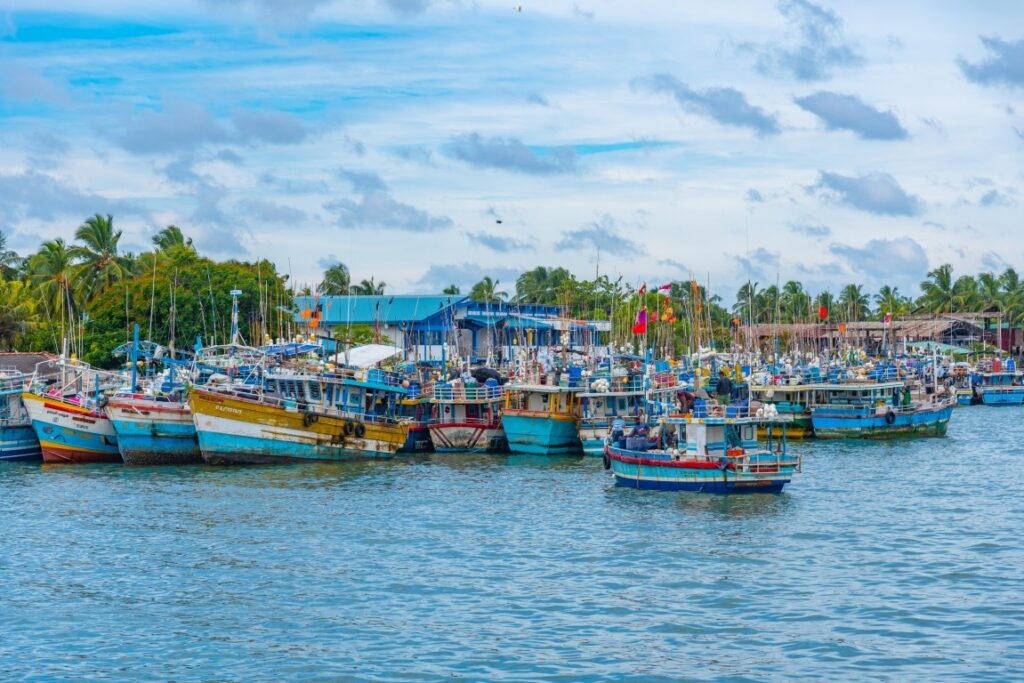
Twenty minutes from the airport and far more than a transit stop – a genuine Dutch colonial heritage in its canal system, traditional fishing community, and honest seafood restaurants. The lagoon birdlife at dusk is one of the most underrated coastal experiences close to the capital.

Bentota

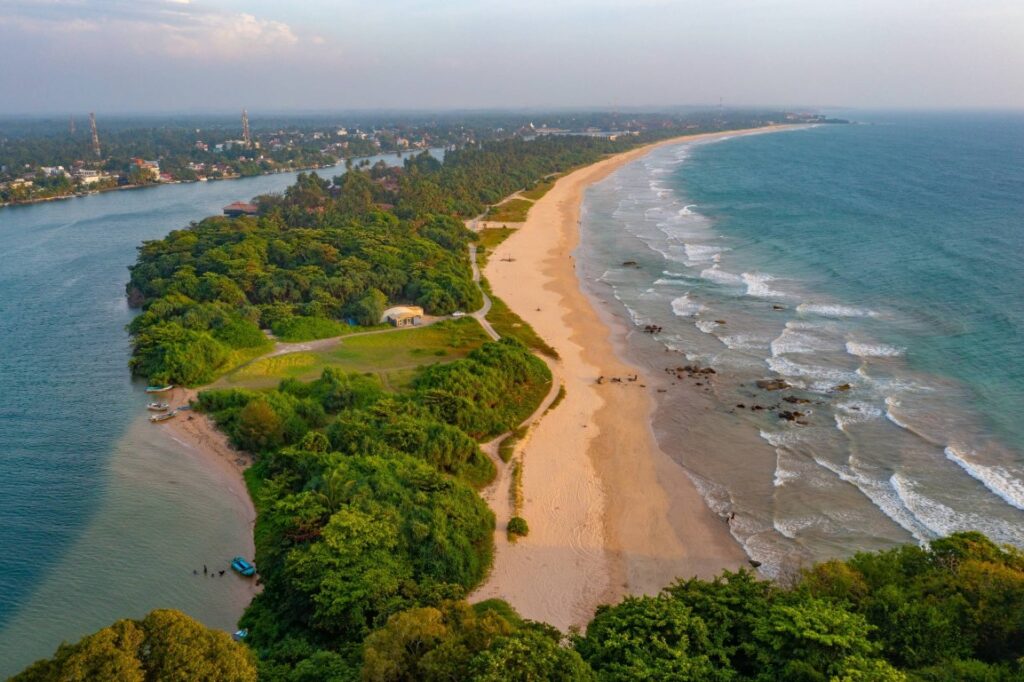
Where the Bentota River meets the coast, a wide calm estuary creates a rare dual character – open beach on one side, sheltered mangrove lagoon on the other, ideal for boat safaris and cinnamon island visits. Geoffrey Bawa’s architectural landmarks are nearby.

Hikkaduwa

A coral reef accessible by snorkel from the beach, a resident sea turtle population, and an independent surf culture that retains more genuine character than most southwest coast destinations. Glass-bottomed boat trips provide a vivid marine introduction for travellers who prefer to stay dry.

Unawatuna

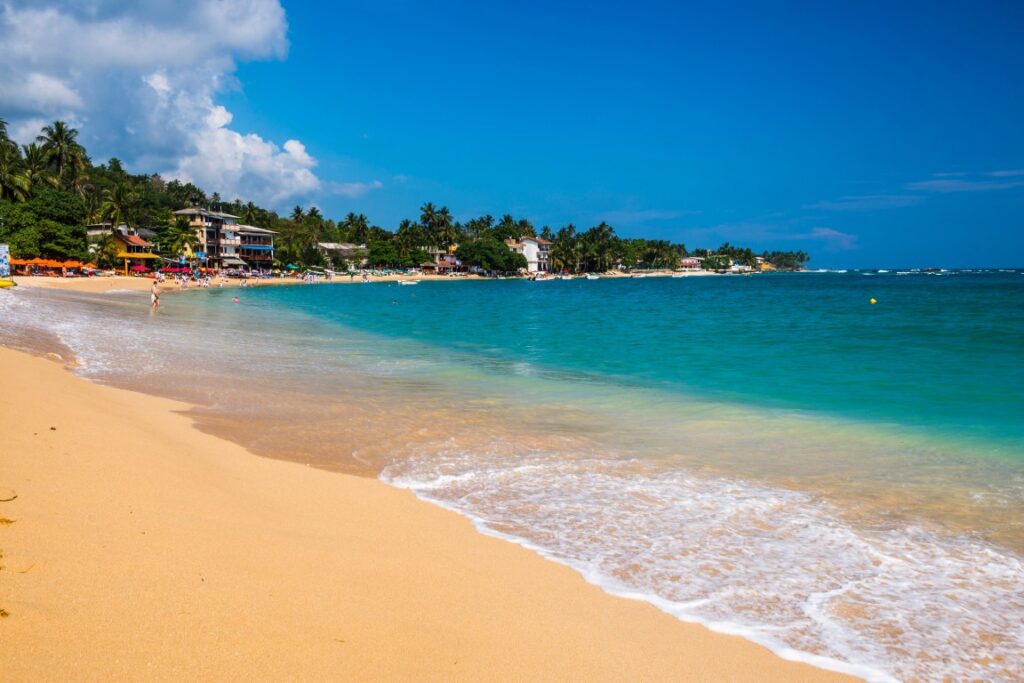
A sheltered horseshoe bay with naturally calm, swimmable water year-round – close enough to Galle for a natural extension of a fort visit, far enough to feel its own. Good reef snorkelling and some of the south coast’s most reliable dining.

Galle

A 17th-century Dutch fort city still functioning as a living neighbourhood – boutique hotels, independent galleries, and considered dining within colonial walls, with ocean-facing ramparts producing one of the island’s most beautiful sunset views. Worth at least one overnight inside the fort.

Mirissa

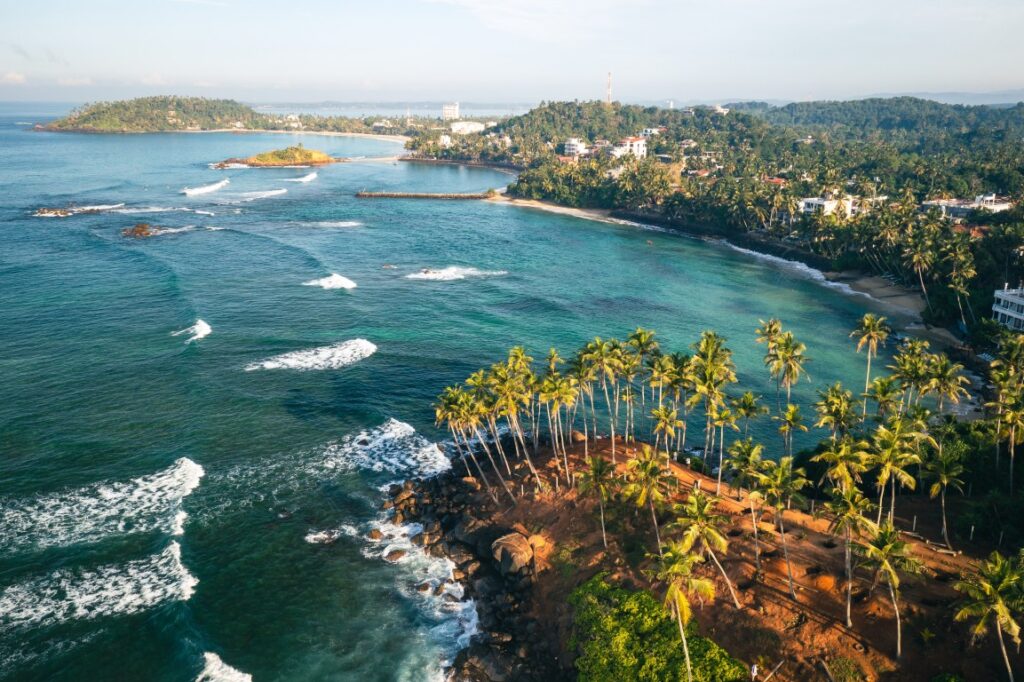
Sri Lanka’s premier whale watching destination between December and April – blue whale sightings are reliable rather than lucky during peak season. Outside of whale season, a beautiful, palm-fringed bay with Coconut Tree Hill providing the viewpoint most travellers come specifically to photograph.

Weligama

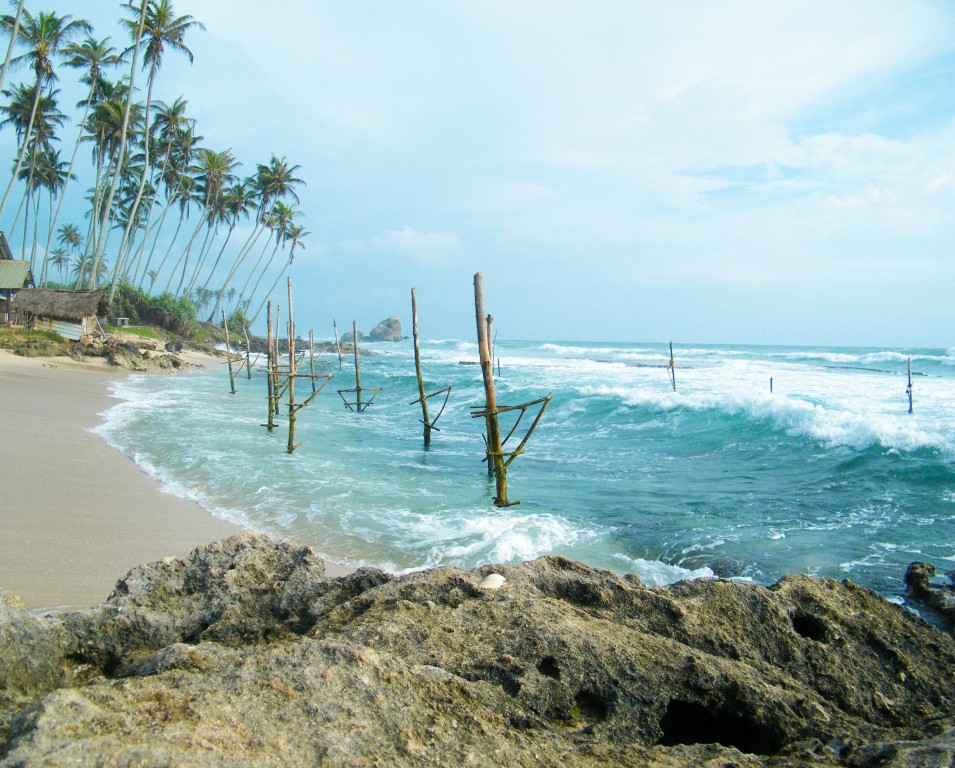
A long, gently curving bay almost perfectly calibrated for beginner surfers – consistent, forgiving, and well-equipped with certified instructors throughout season. The stilt fishermen at the reef edge at dawn are a genuine working practice, not staged for visitors.

Arugam Bay

The east coast’s most celebrated surf destination with a point break of serious international standing and a laid-back culture the more developed western beaches have largely lost. Kumana National Park and the Pottuvil Lagoon add wildlife and boat safari dimensions beyond the beach.

Trincomalee

One of Asia’s finest natural harbours, with the clifftop Koneswaram Temple above it and the finest uncrowded beaches at Nilaveli and Uppuveli just north of the city. Pigeon Island Marine Park – blacktip reef sharks, turtles, vibrant coral – is a short boat ride from shore.

Pasikuda

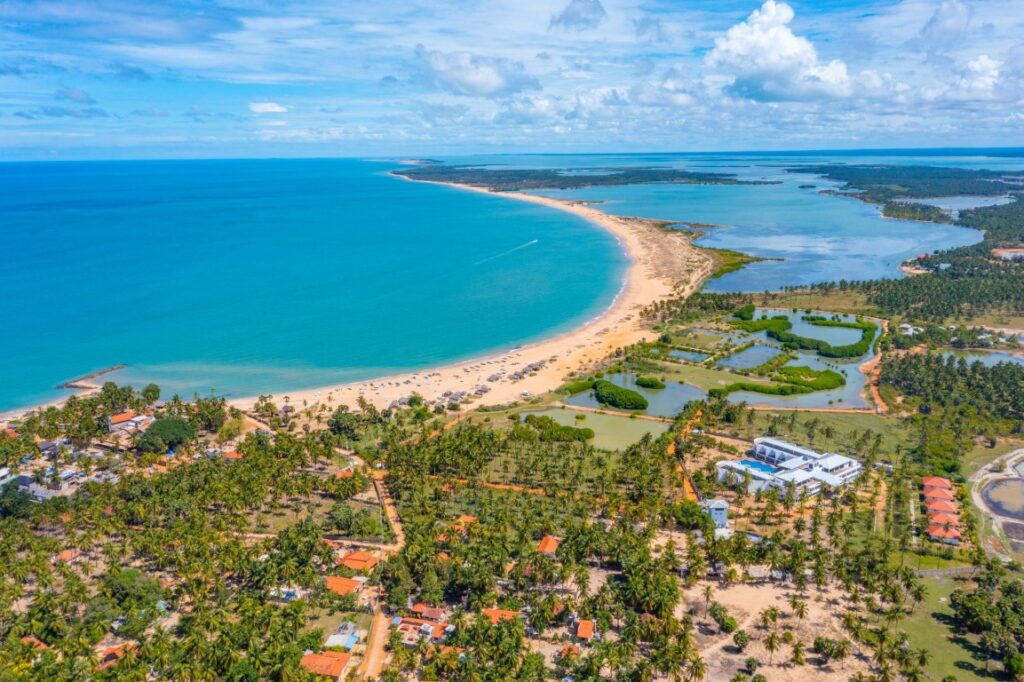
A reef-protected bay whose water is so calm and glass-clear for hundreds of metres from shore it feels more like a lagoon than open coast. At its finest April to September – one of the island’s quietest, most genuinely unhurried coastal destinations.

Sri Lanka's wild side - and it is genuinely wild.

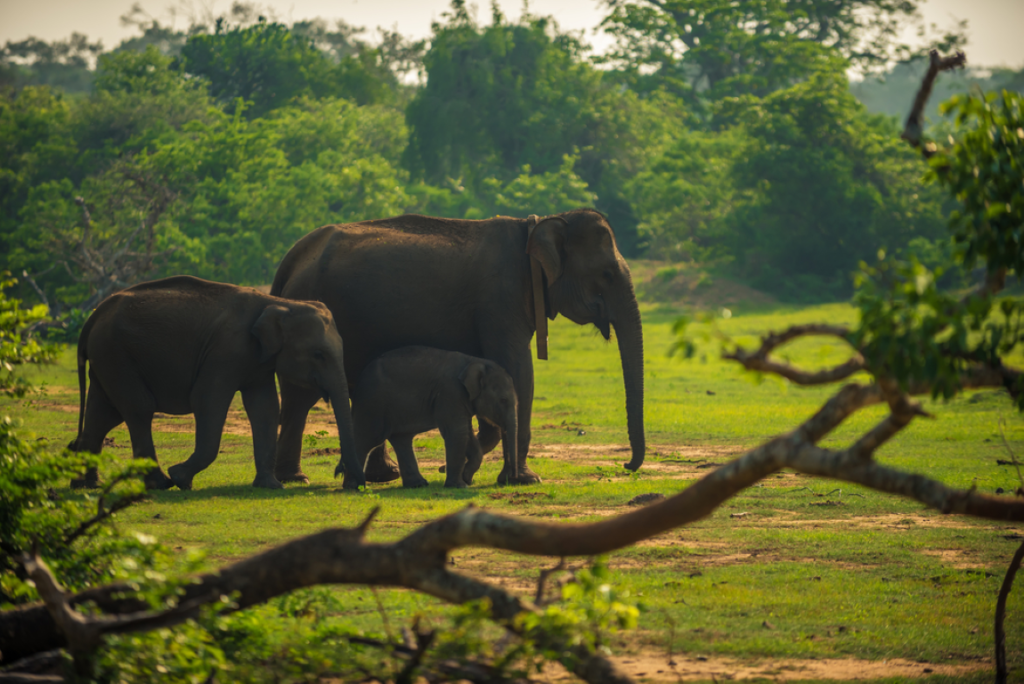
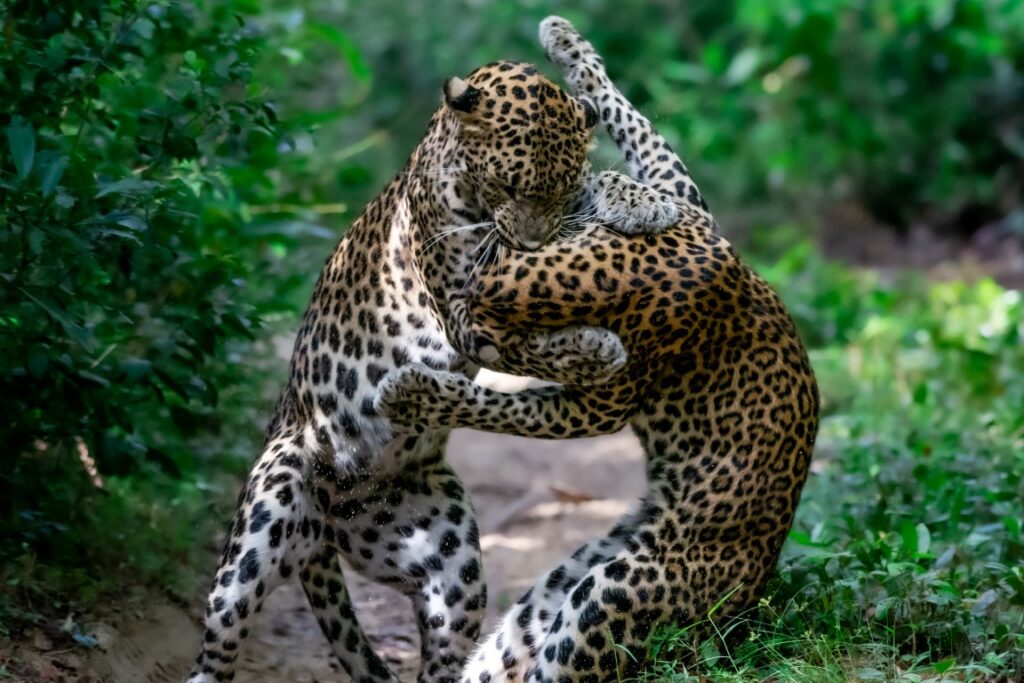
For an island of its size, Sri Lanka’s wildlife credentials are extraordinary. The world’s highest density of wild leopards, seasonal elephant gatherings of several hundred animals, blue whale aggregations off the south coast, and a rainforest whose concentration of endemic species rivals destinations ten times its area. MP Lanka Travels conducts all wildlife experiences with specialist naturalists in private vehicles, timed for the hours and seasons that produce the best results.

Yala National Park

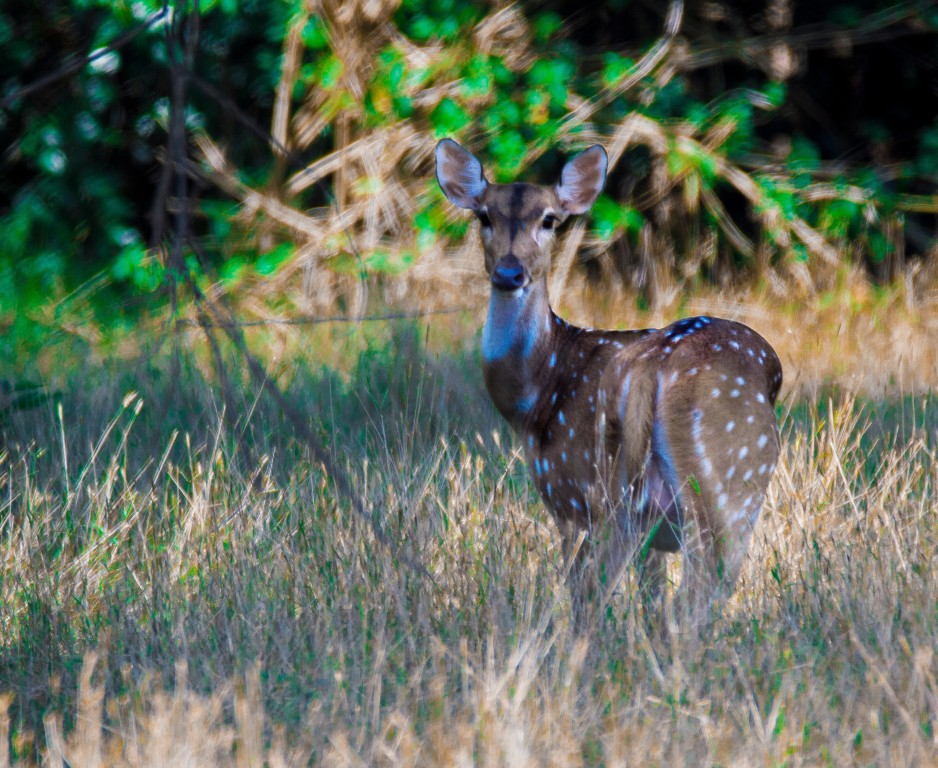
The world’s most leopard-dense protected area – dry thorn forest, coastal lagoons, and open scrubland in a landscape of real visual drama. A well-planned dawn entry with a specialist naturalist regularly produces multiple leopard sightings alongside elephant herds, sloth bears, and exceptional birdlife throughout.

Wilpattu

Sri Lanka’s largest national park and its least-visited, defined by its villus – natural water-filled forest clearings where wildlife congregates for extended, unhurried observation without vehicle competition. Leopard encounters here tend to be longer and more intimate than Yala’s, and travellers who visit both consistently describe Wilpattu as the deeper memory.

Minneriya

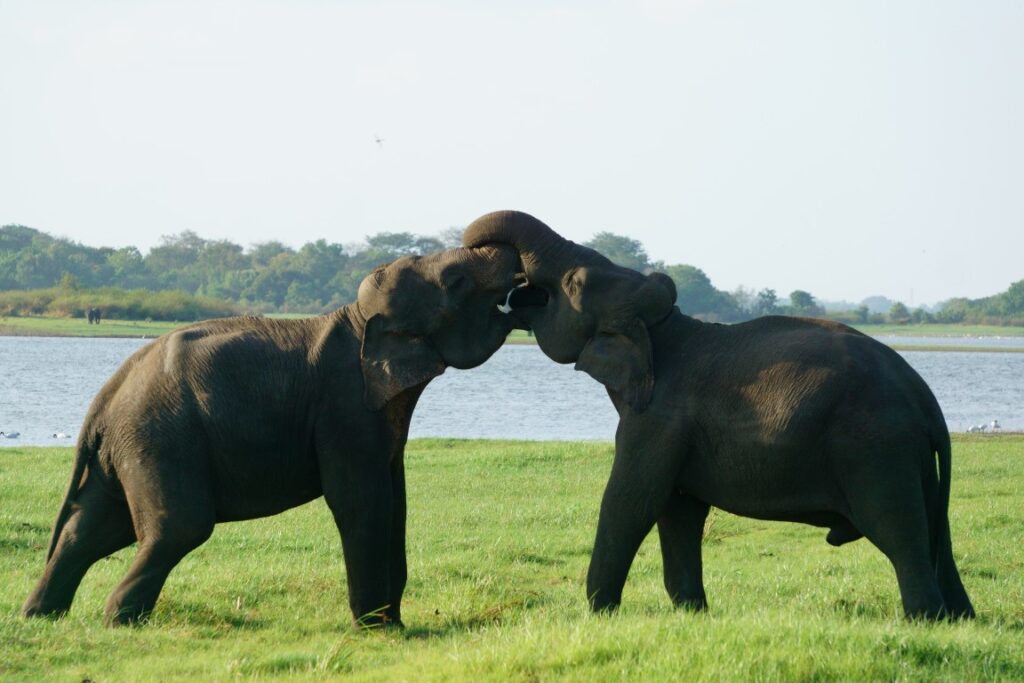
Between August and October, the Minneriya Reservoir draws hundreds of wild Asian elephants to the exposed lakebed in The Gathering – ranked among the ten greatest wildlife spectacles on earth. At peak, 200 to 300 elephants from multiple herds converge simultaneously on the same open space.

Wasgamuwa

One of Sri Lanka’s most overlooked parks – large resident elephant populations, endemic birdlife, and a quality of wildness that low visitor numbers preserve completely. The riverside zone along the Mahaweli River offers some of the island’s most atmospheric elephant observation.

Sinharaja Forest Reserve

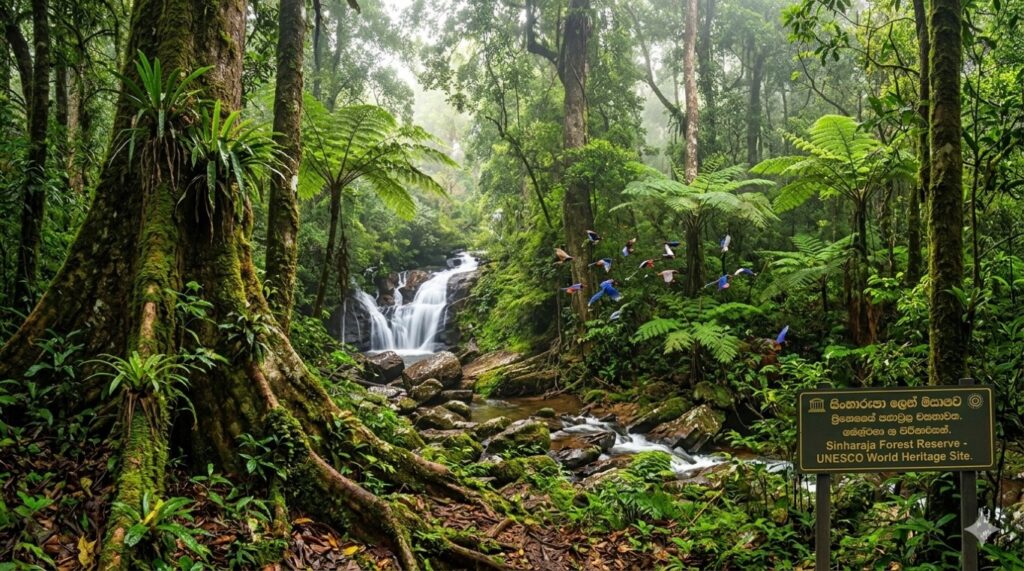
The last primary lowland rainforest in Sri Lanka and a UNESCO Natural World Heritage Site, holding 21 of the island’s 26 endemic bird species. The mixed-species feeding flocks that move through the canopy throughout the day create a birdwatching experience specialists consistently rate among the finest anywhere in the world.

Cool air, green ridgelines, and the island at its most surprising.

The central highlands feel like a completely different country from the coastal island below – cooler, quieter, and lit with the particular intensity of tea country at altitude. The towns carry a colonial character unlike anything in the lowlands, the viewpoints are dramatic, and the range of adventure experiences available makes the highlands and adventure destinations some of the most versatile on the island.

Ella

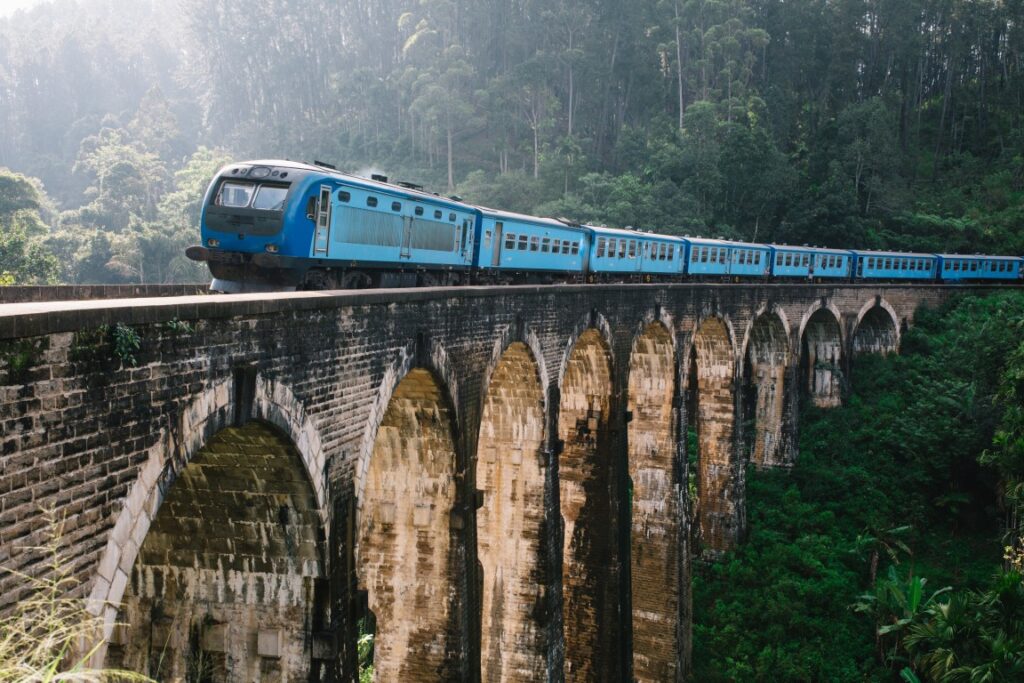
A small highland town above a valley so intensely green it seems lit from within – the Nine Arches Bridge, Little Adam’s Peak, the cafe culture, and the simple pleasure of sitting on a terrace with the Ella Gap in front of you. The hill country’s most consistently loved destination, and every night there is earned.

Horton Plains

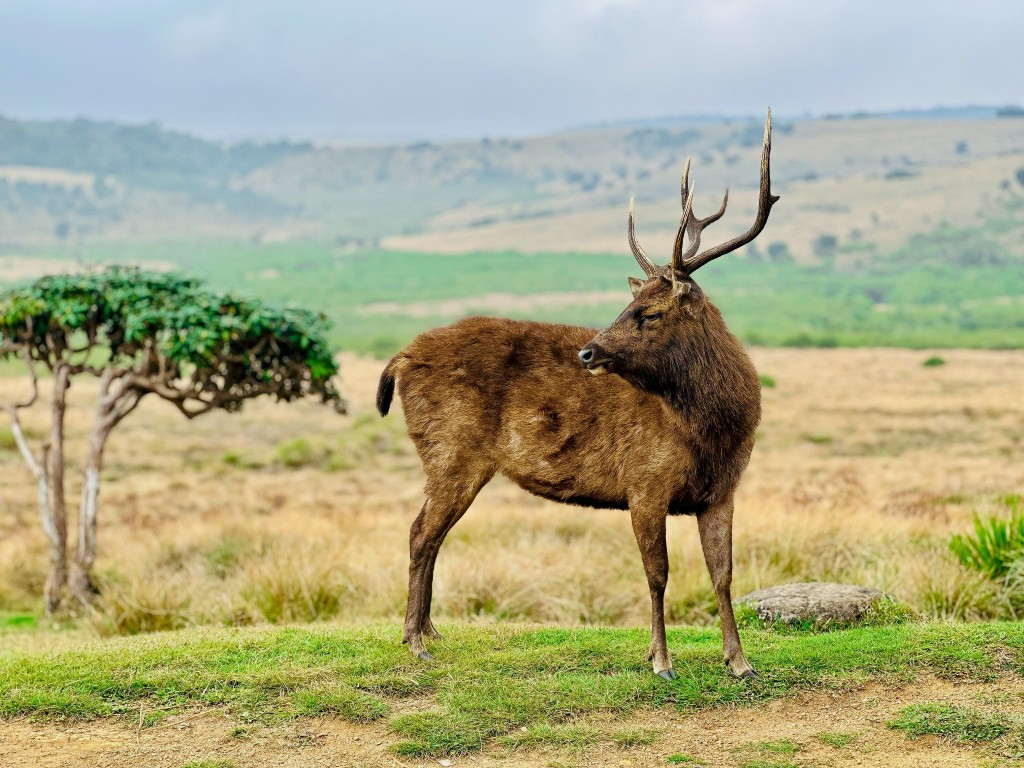
Sri Lanka’s highest plateau national park at 2,100 metres, whose circular trail ends at World’s End – an 870-metre sheer drop to the lowland jungle below. Arriving before 9am is the difference between a good visit and an unforgettable one; the mist closes in fast.

Knuckles Mountain Range

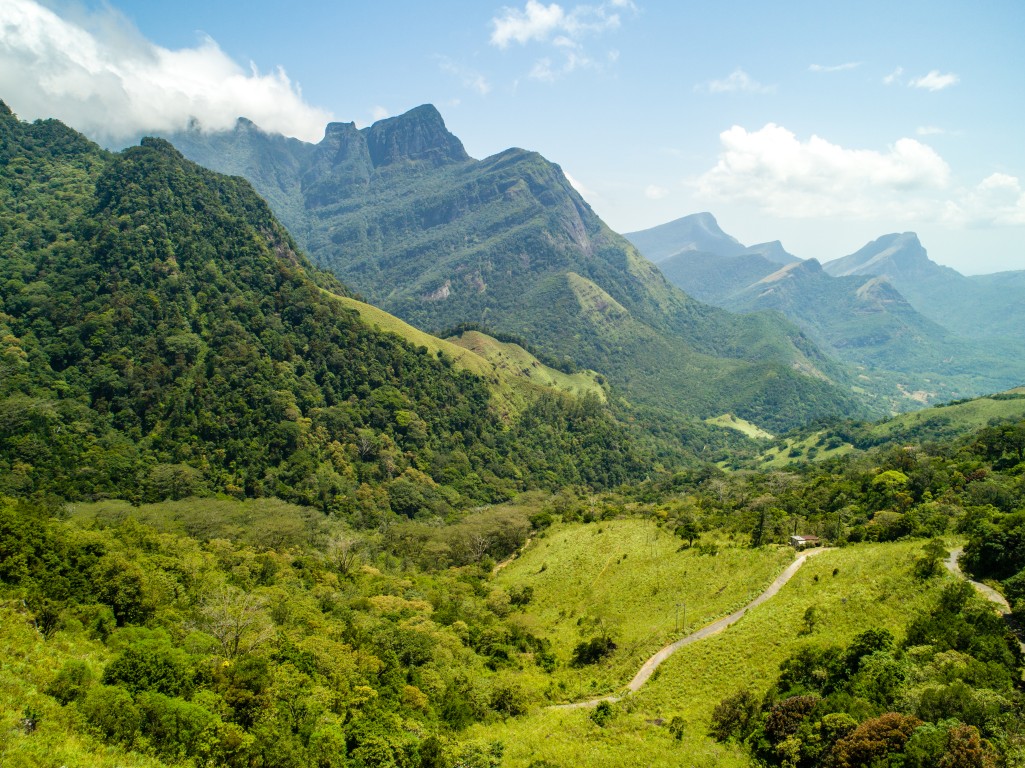
A UNESCO cloud forest wilderness of ridgelines, waterfalls, endemic wildlife, and remote farming villages where traditional mountain life continues unchanged. Sri Lanka’s finest multi-day trekking terrain, with endemic species concentrations that rival any national park on the island.

Nuwara Eliya

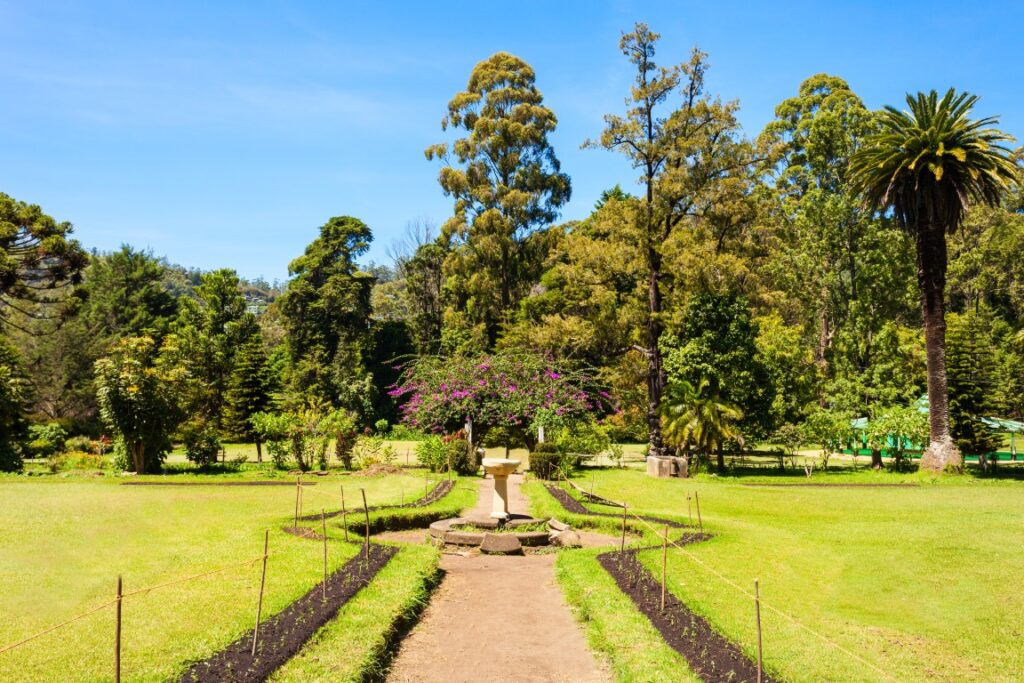
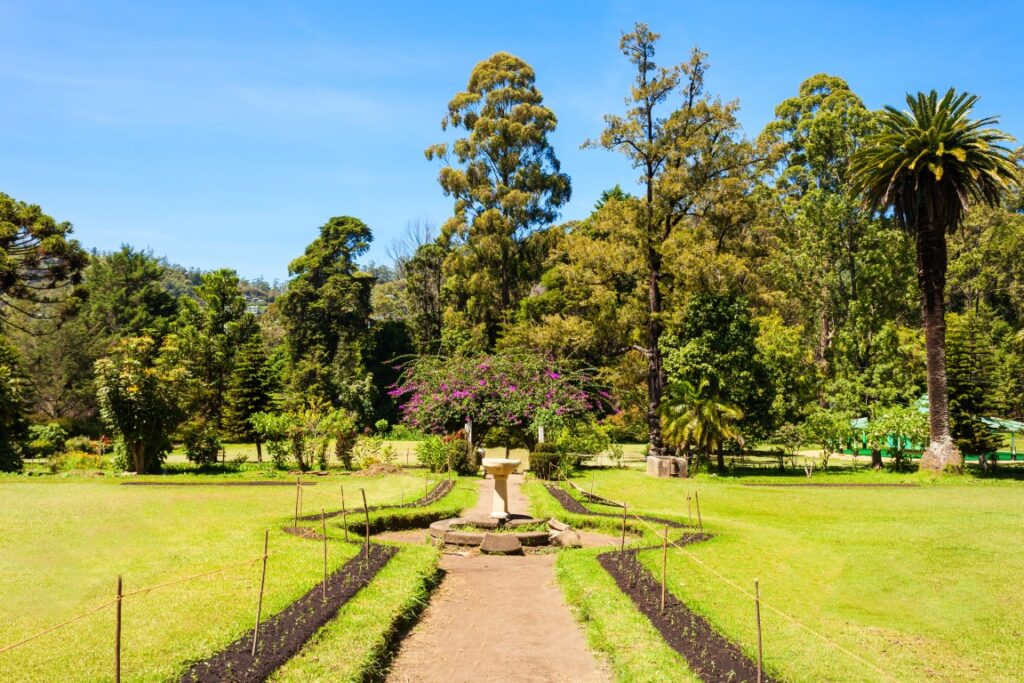
Sri Lanka’s most improbable destination – a British hill station at 1,868 metres with Tudor architecture, rose gardens, and a climate that makes fireplaces genuinely useful in March. The surrounding estates produce some of the world’s finest high-grown Ceylon teas.

Kitulgala

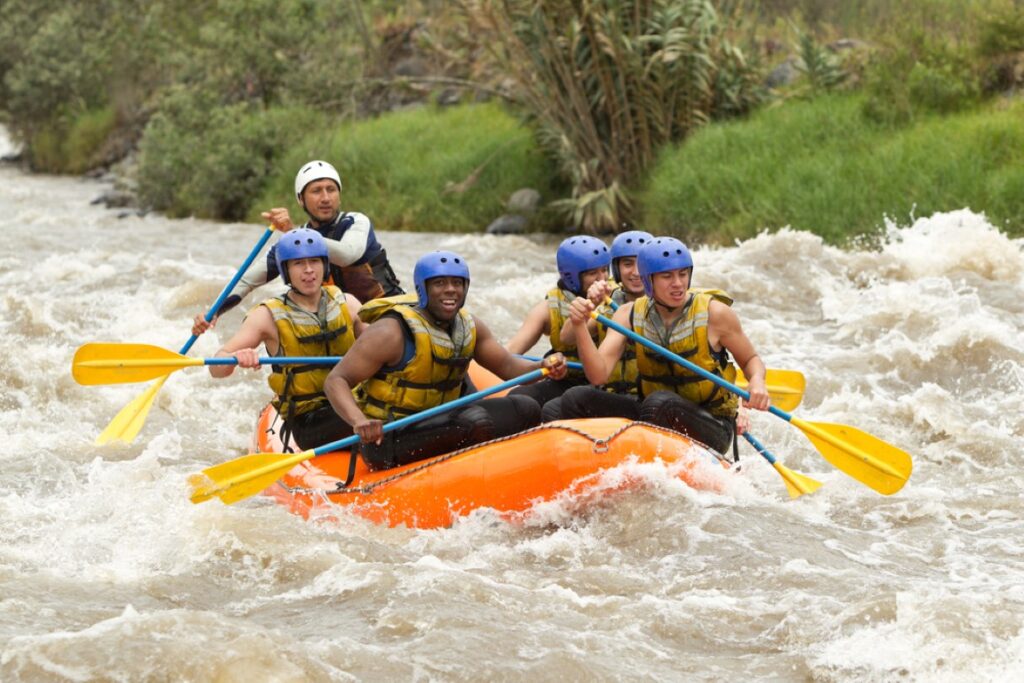
Sri Lanka’s best white-water rafting – Grade 3 and 4 rapids through a jungle gorge on the Kelani River where The Bridge on the River Kwai was filmed – combined with exceptional lowland rainforest birdwatching in the same location. One of the island’s finest adventure day destinations.

Kalpitiya

Sri Lanka’s most consistent kitesurfing destination and one of its best for dolphin watching – spinner pods of several hundred animals pass through the offshore waters regularly from November to April. Undeveloped, authentically remote, and completely unhurried.

The quieter corners that reward the traveller who looks for them.

Some of Sri Lanka’s most genuinely extraordinary destinations sit just slightly off the main tourist circuit, rewarding the traveller who makes the small additional effort to reach them. Ancient forest monasteries, UNESCO mangrove wetlands, undiscovered beach coves, and highland reserves whose wildlife credentials rival any famous park – these are the places that tend to produce the stories travellers tell for longest.
Nuwara Eliya

Beyond its colonial character, Nuwara Eliya is surrounded by highland walking terrain of exceptional quality, with endemic montane bird species, tea estate trails, and the Horton Plains plateau all accessible within a short drive. Its position at the centre of the hill country makes it a natural eco base as well as a heritage and tea country destination.

Udawalawe National Park

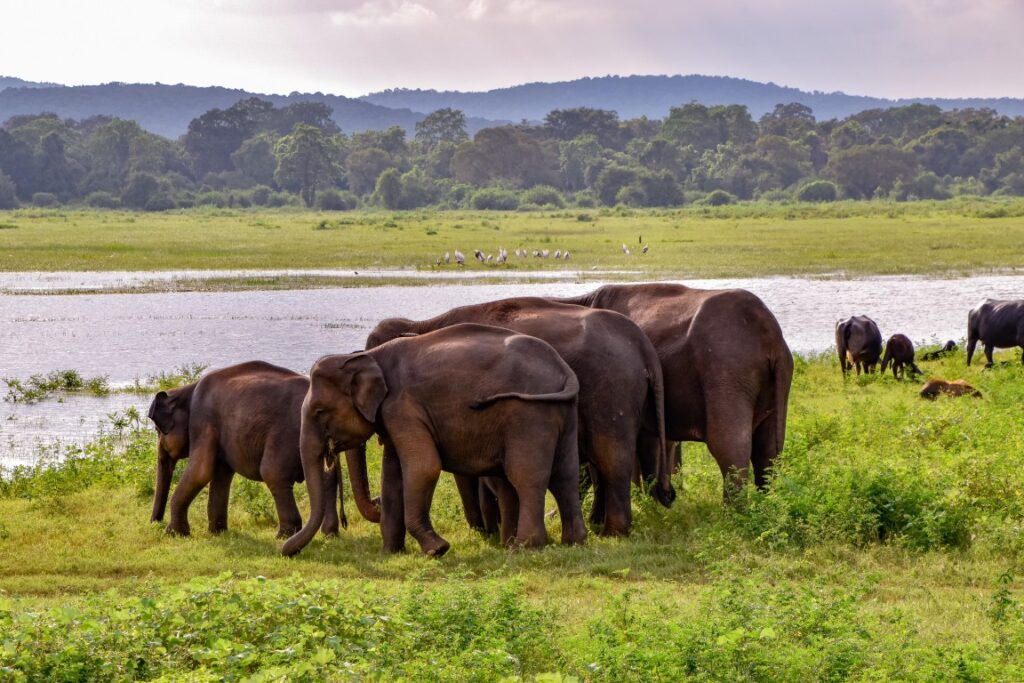
The finest elephant-watching destination in South Asia, with open grassland herds of 50 to 100 animals visible throughout the day and sighting frequency that no other park on the island can match. The Elephant Transit Home on the park boundary rehabilitates orphaned calves for return to the wild under responsible conditions – a morning feeding session is one of Sri Lanka’s most genuinely moving wildlife experiences.

Ritigala Forest Monastery

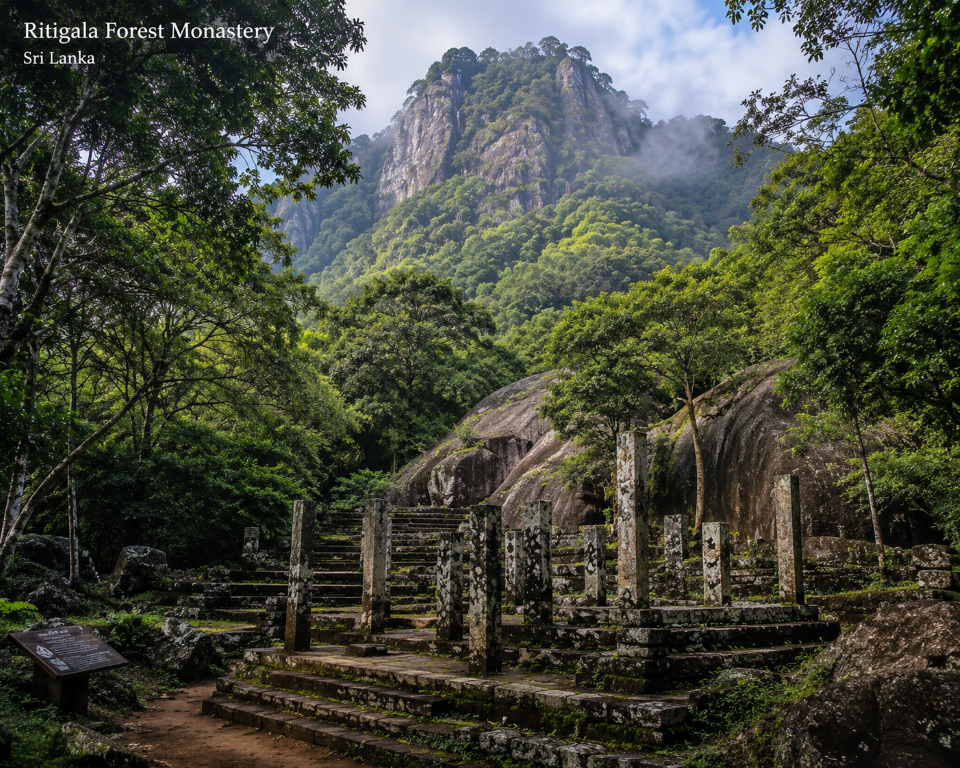
An ancient forest monastery hidden within a strictly protected nature reserve, whose ruins date from the 1st century BCE across a mountain whose forest has never been cleared for agriculture. Walking through Ritigala with a specialist guide is an encounter with archaeology, endemic wildlife, and an ancient quality of stillness that few destinations in Sri Lanka can match.

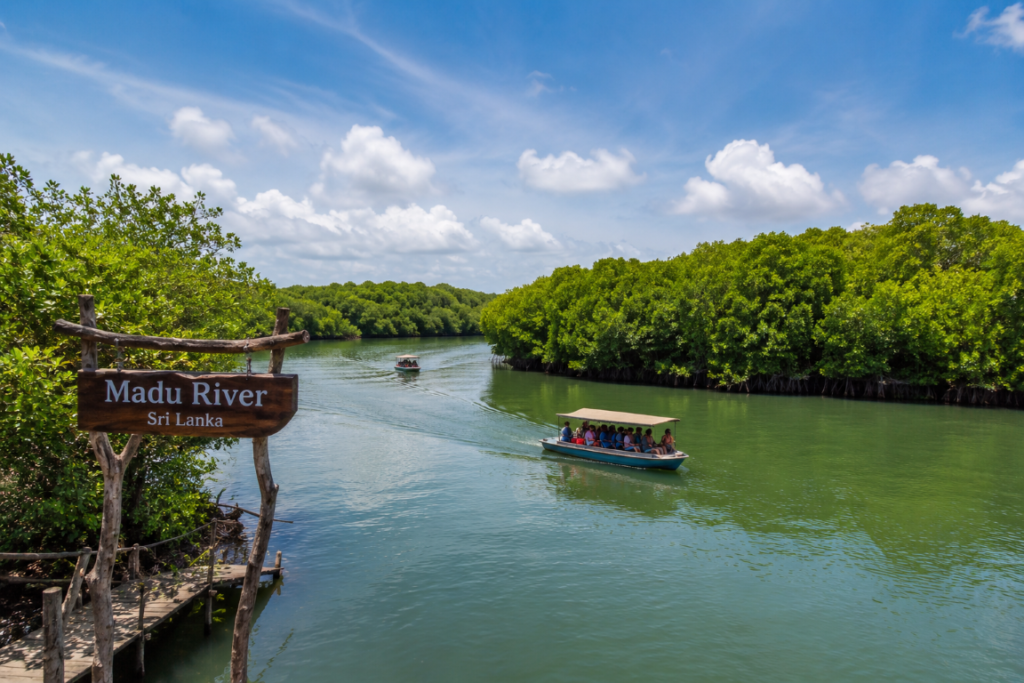
Madhu River

A UNESCO Ramsar mangrove wetland navigated entirely by flat-bottomed boat, where cinnamon island demonstrations, small river temple communities, and monitor lizards on exposed roots combine into a slow, bird-rich experience completely separated from any road. One of Sri Lanka’s finest and most consistently absorbing eco-experiences.

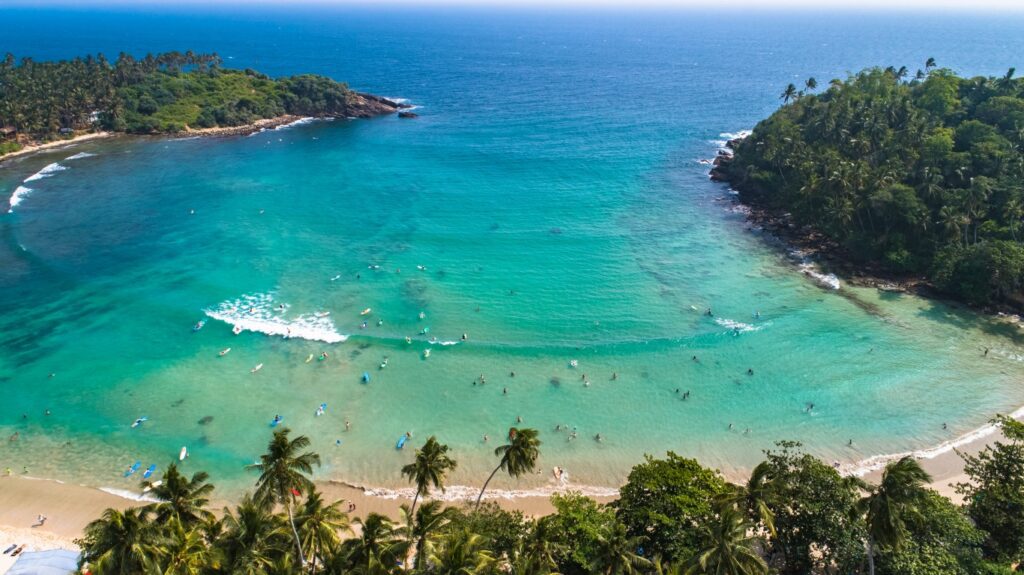
Hiriketiya

A sheltered horseshoe cove on the deep south coast with a beginner-friendly wave, a Double Beach viewpoint of unusual beauty, and the kind of genuine independent surf culture that the more famous beach towns to its west have gradually lost. The south coast at its most unhurried and most authentically itself.

Begin Your
Journey